In 2026, digital transformation across Egyptian enterprises is no longer an optional innovation agenda—it is a fundamental prerequisite for regulatory compliance and market resilience. With nationwide mandates spanning electronic invoicing, real-time e-receipts, unified customs portals (Nafeza), and cashless transaction frameworks, legacy manual workflows and disconnected spreadsheets represent direct operational and financial liabilities.
However, authentic digital transformation is not merely purchasing off-the-shelf licenses; it requires end-to-end business process re-engineering anchored by integrated, locally compliant software systems.
1. The Mandatory Egyptian Regulatory Framework
Any viable enterprise technology strategy in Egypt must seamlessly interface with national platforms:
- ETA E-Invoicing & E-Receipt Systems: Direct real-time API integrations connecting internal ERP and POS systems to the Egyptian Tax Authority, ensuring validated tax clearances and zero friction.
- Customs & Supply Chain Automation (Nafeza / ACI System): Automating import documentation, consignment clearance, and immediate stock synchronization within localized warehouse modules.
- Payment Rail Unification: Integrating national payment networks (InstaPay, Meeza, digital wallets, and local payment gateways) directly into daily bank reconciliation pipelines.
2. Common Pitfalls in Enterprise Digital Execution
Decisions that drain corporate budgets without delivering real-world ROI usually stem from three execution missteps:
- Over-Engineering with Unadaptable Global Software: Burning foreign currency reserves on rigid global platforms that cannot adapt to local Egyptian regulatory shifts or workflow realities.
- Isolated Data Silos: Running sales, supply chain, and payroll on disconnected tools, preventing executive leadership from seeing accurate, consolidated margins in real time.
- Neglecting Change Management: Deploying technical tooling without adequate workforce training, driving operational staff back to parallel offline record-keeping.
3. A Pragmatic 4-Step Transformation Blueprint
To maximize return on technology capital, enterprise leaders should follow an iterative modernization framework:
- Operational Process Auditing: Map end-to-end workflows—from purchase requisition to reconciliation—identifying process bottlenecks and human entry errors before writing code.
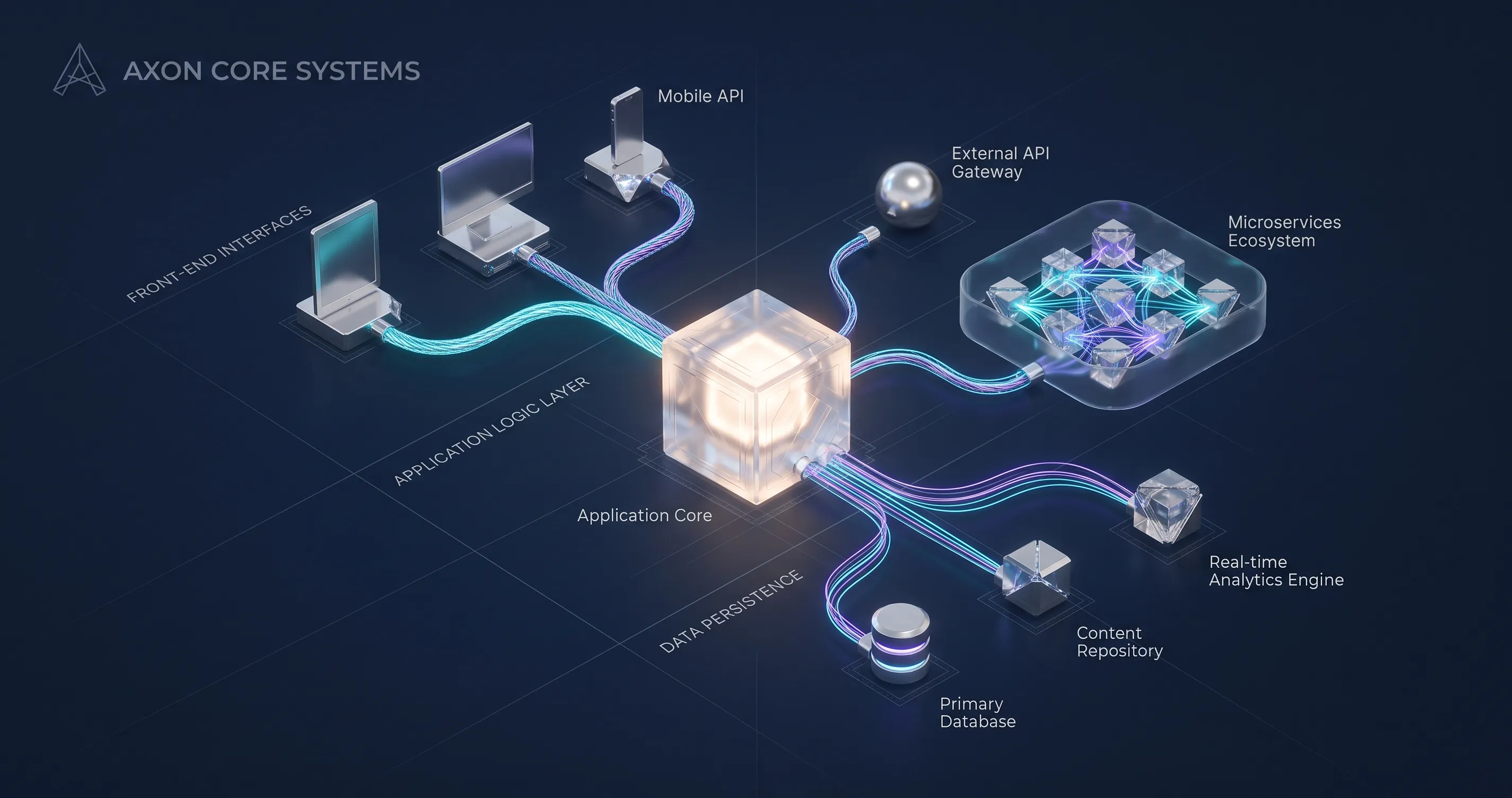
- Single Source of Truth Architecture: Implement a unified, custom core engine connecting sales channels, inventory hubs, and finance departments into an executive dashboard.
- Ecosystem API Integration: Automate data exchanges between internal systems, governmental compliance portals, 3PL logistics couriers, and banks.
- Data Governance & Business Continuity: Enforce strict role-based access, end-to-end data encryption, and resilient automated backups to withstand hardware failures or cyber threats.
The iNote Engineering Perspective
True digital transformation should simplify enterprise operations, not introduce friction. Sustainable competitive advantages come from software platforms precisely tailored to your business model and market realities, giving leaders complete, real-time visibility over performance and profitability.